4.8 Trusted Shops 22.167 reviews
NOW 20% OFF ALL TABLEWARE & GLASSWARE: CODE 20OFF | ...
Free Shipping from 99,-
1,000,000+ satisfied customers preceded you
Celebrating our 10th anniversary this year
Free Shipping from 99,-
4.8 Trusted Shops 22.167 reviews
Free Shipping from 99,-

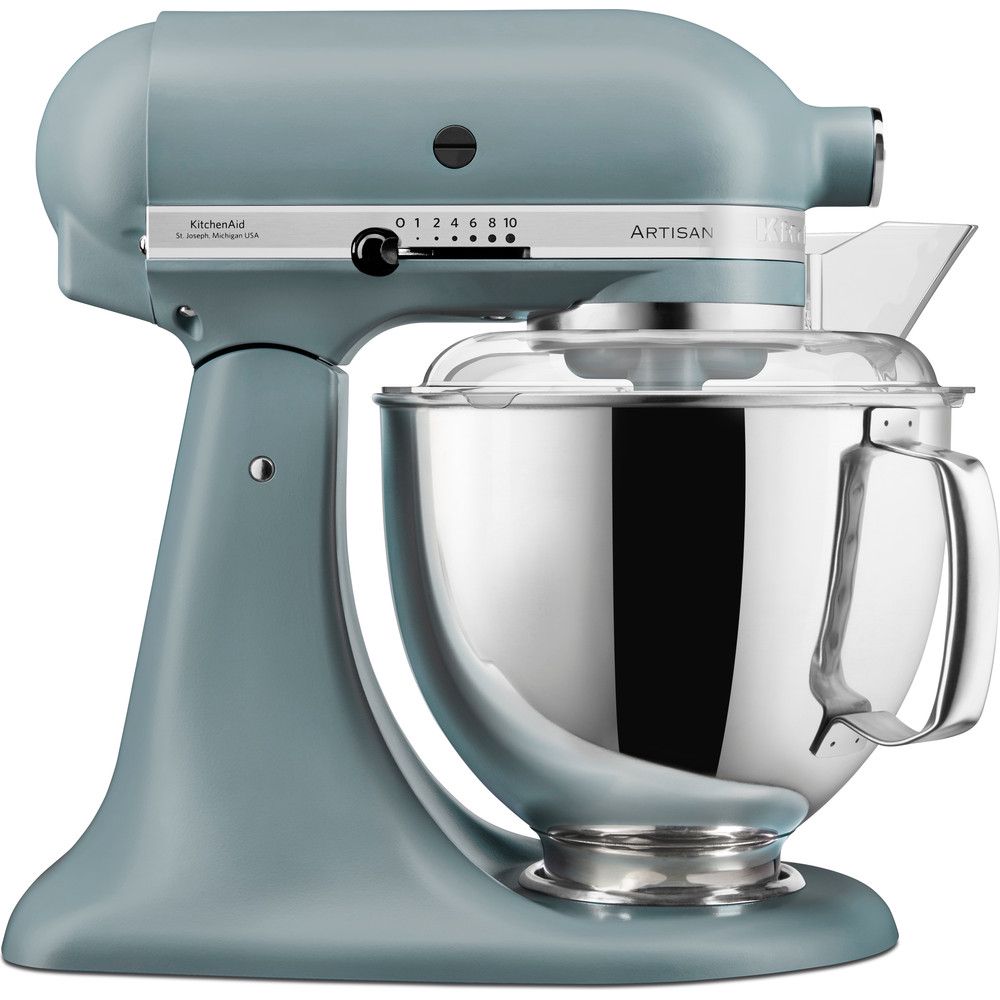
Baking your own bread gives a satisfaction you won't find anywhere else. The smell, the crust, the first slice: those are moments to savour. Kneading the dough really doesn't have to be a chore if you have a good stand mixer at home. It takes on the heavy work so you can focus on the best part: baking and tasting.

Recipe

Rustic sourdough bread with a crispy crust

A hearty, aromatic sourdough loaf with a crunchy crust and an airy crumb. Perfect for sharing at the table or keeping for the week.

Course Baking
Kitchen Dutch
Servings 1 loaf (approx. 10 slices)

Preparation time

Preparation time 30 min
Time in oven 45 min
Stiffen up min. 1 hour
Cooling time 8 hours (cold final proof)
Total Approx. 14 hours (including proofing times)

Equipment

  • Stand mixer with dough hook
  • Mixing bowl
  • Proofing basket (banneton) or bowl lined with a tea towel
  • Cast-iron pot with lid
  • Parchment paper
  • Sharp bread knife or lame
  • Cooling rack

Ingredients

  • 50 g active sourdough starter (for the preferment)
  • 200 ml lukewarm water (for the preferment)
  • 200 g wheat flour (for the preferment)
  • 300 g active sourdough starter (ripe and bubbly)
  • 350 ml lukewarm water
  • 500 g wheat flour (type 550)
  • 10 g fine sea salt
  • Rice flour for dusting the proofing basket

How to make rustic sourdough bread?

    1. Prepare the sourdough starter: stir 50 g active starter into 200 ml lukewarm water in the mixing bowl. Add 200 g wheat flour and mix briefly. Cover and leave at room temperature for 8 hours (or use an active starter that is already ready).
    2. Combine 300 g active sourdough starter with 350 ml lukewarm water in the mixing bowl of the stand mixer. Add 500 g wheat flour (type 550) and 10 g salt.
    3. Attach the dough hook and knead the dough on medium speed for 8 to 10 minutes until it is smooth, elastic and pulls away from the bowl.
    4. Spoon the dough out of the bowl, shape it into a ball and place it in a lightly oiled mixing bowl. Cover with plastic wrap or a damp tea towel and let rise for 4 hours at room temperature.
    5. Fold the dough once every hour: lift the bottom, stretch it out and fold it over the top. Turn the bowl a quarter turn and repeat this 4 times. Do this a total of 3 times during the rise.
    6. Lightly dust the work surface with flour. Remove the dough from the bowl and gently shape it into a tight round or oval loaf. Place it in a proofing basket dusted with rice flour (banneton) or in a bowl lined with a tea towel.
    7. Cover the proofing basket and place it in the fridge for a cold final proof of at least 8 hours, up to 16 hours. This gives the bread its characteristic tang and improves the crust.
    8. Preheat the oven to 250°C (conventional oven). At the same time place a cast-iron pot with lid in the oven and let everything heat thoroughly for at least 45 minutes.
    9. Remove the pot from the oven. Carefully tip the dough out of the proofing basket onto a sheet of parchment paper. Score the top diagonally with a sharp knife or lame (a cut about 1 cm deep). Lift the dough with the parchment and place it into the piping-hot pot. Put the lid on.
    10. Bake 20 minutes with the lid on at 250°C. Then remove the lid, lower the temperature to 220°C and bake another 20 to 25 minutes until the crust is deep golden brown.
    11. Remove the bread from the pot and let it cool on a rack for at least 1 hour before slicing. A little patience here really pays off: the inside will be perfectly baked and delicious.

The great thing about sourdough bread is that you can adapt it completely to your taste. Add some sunflower seeds or flaxseed to the dough for extra bite, or experiment with part rye flour for a deeper flavour. Baking at home is a craft you get better at each time, and a stand mixer will help you make great progress.

Freshly baked bread tastes best shared. Slice it at the table, put out good butter and a jar of jam and enjoy that first warm slice together. That's a moment no one forgets quickly. Store leftovers in a clean tea towel or a bread box to keep the crust nicely crisp.

Related recipes